Beyond Clean: The Rise of Odorless, Invisible Protection for High-End Rugs and Furnishings
The Evolution of Luxury Textile Protection
In the world of high-end interior design, luxury textiles represent far more than mere functional elements—they are investments, heirlooms, and expressions of personal aesthetics. From hand-knotted Tibetan rugs to custom upholstered furnishings in rare fabrics, these pieces demand protection that preserves not only their physical integrity but also their sensory appeal.
Yet until recently, protecting these valuable textiles came with significant compromises. Traditional fabric protectors often left telltale signs: chemical odors, stiff textures, or visible residues that altered the very qualities that made these textiles luxurious in the first place. The choice seemed to be between authentic textile experiences or practical protection—rarely both.
Today, however, we stand at the threshold of a new era in textile protection. Advanced nanotechnology has revolutionized how we safeguard our most treasured fabrics, offering what seemed impossible just years ago: completely invisible, utterly odorless protection that preserves the authentic look, feel, and character of high-end textiles.
The Hidden Enemies of Luxury Textiles
High-end textiles face a barrage of threats in even the most carefully maintained homes. Understanding these challenges is essential to appreciating the significance of modern protection solutions.
The Invisible Threats
Beyond the obvious risks of spills and stains, luxury textiles face subtler, accumulative damage from:
- Atmospheric pollutants: Even in pristine homes, airborne particulates gradually embed themselves in fibers
- UV degradation: Natural light exposure causes color fading and fiber weakening
- Microbial growth: Invisible mold and bacteria can develop in fibers, particularly in humid environments
- Protein-based stains: Oils from skin contact and pet dander create binding sites for dirt and contaminants
- Oxidative degradation: The natural aging process of organic fibers accelerates without protection
These threats operate slowly but relentlessly, degrading luxury textiles in ways often undetectable until significant damage has occurred. The challenge has always been addressing these risks without compromising the sensory qualities that define luxury textiles.
The Limitations of Traditional Protection
Conventional fabric protectors have relied on relatively crude mechanical or chemical approaches that fundamentally altered textile properties.
Older-generation protectors typically:
- Created rigid molecular structures that stiffened fibers
- Left visible residues that dulled colors and altered light reflection
- Emitted chemical odors that persisted for weeks or months
- Required heavy application that changed the textile’s tactile properties
- Degraded quickly, requiring frequent reapplication
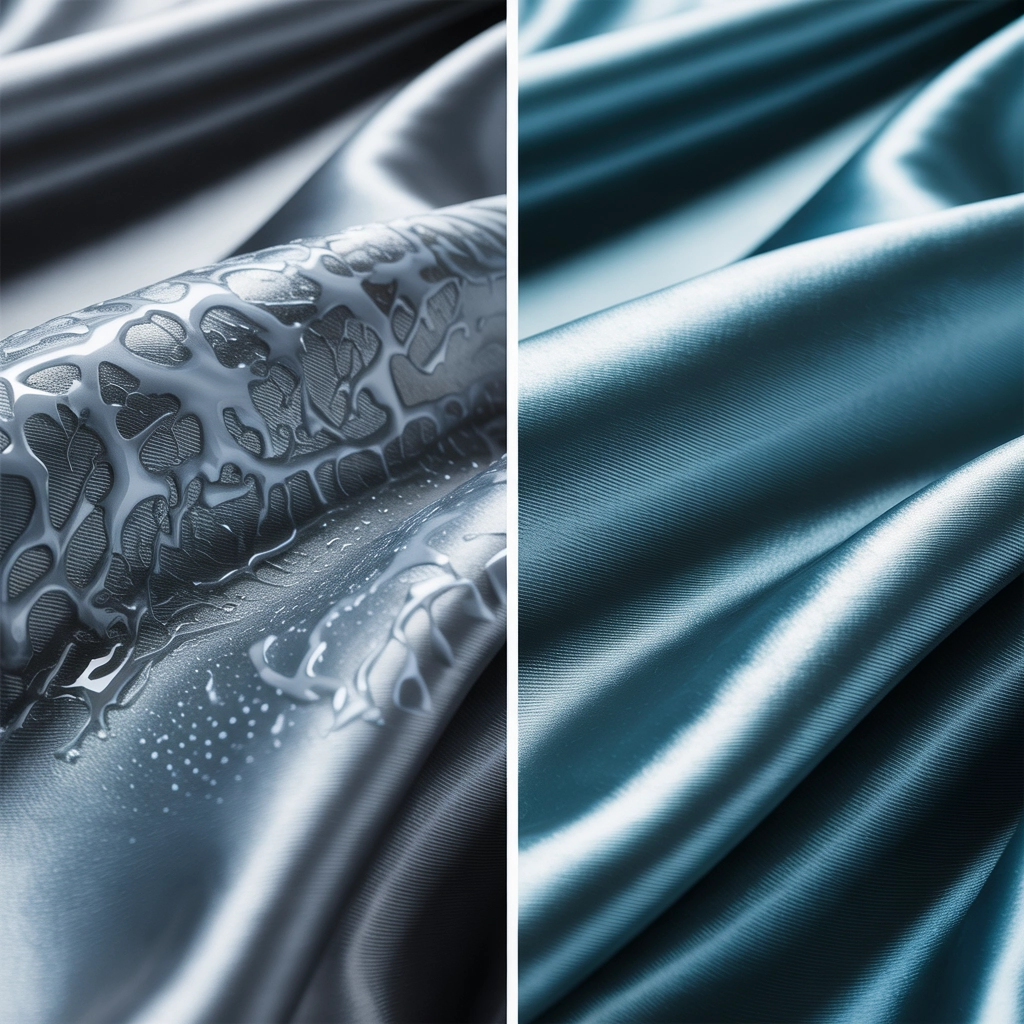
Most significantly, these traditional protectors operated through a “coating” approach, essentially layering a protective film over the textile. While functionally effective against some threats, this approach fundamentally changed how the protected textile looked, felt, and even sounded (the subtle acoustic properties of fabrics contribute significantly to the sensory experience of interior spaces).
The Nanotechnology Revolution in Textile Protection
The breakthrough came with the application of nanotechnology to textile protection. Rather than coating fabrics, modern protection solutions work at the molecular level to enhance the natural properties of fibers without altering their essential character.
How Modern Nano-Protection Works
The latest generation of textile protectors operates through several sophisticated mechanisms:
- Molecular bonding: Rather than coating fibers, nano-particles bond directly to individual fiber molecules, becoming part of the fiber structure itself
- Structural enhancement: Protection occurs through altering the fiber’s microscopic structure to resist penetration by liquids and particulates
- Selective permeability: Fibers remain breathable and maintain their natural moisture exchange properties while repelling contaminants
- Self-distributing formulations: Modern solutions spread evenly at the molecular level, eliminating uneven protection or visible residue
- Photocatalytic properties: Some advanced protectors actively break down organic contaminants when exposed to light
These mechanisms allow for protection that truly disappears into the textile, preserving its authentic character while providing unprecedented protection against a wide range of threats.
The Sensory Experience: Why “Invisible” Matters
For collectors and connoisseurs of fine textiles, the sensory experience is paramount. Modern protection solutions preserve:
- Visual integrity: No dulling, darkening, or alteration of how light interacts with the textile
- Tactile authenticity: The hand-feel remains completely unchanged—crucial for textiles selected specifically for their texture
- Olfactory neutrality: No chemical odors that might compete with the subtle natural scents of wool, silk, or other natural fibers
- Acoustic properties: The subtle sound-absorbing or reflecting qualities of fabrics remain unaltered
For interior designers and homeowners who invest considerable resources in selecting the perfect textiles for their spaces, this preservation of sensory integrity represents the true revolution in protection technology.
The Sustainability Dimension
Beyond performance, modern invisible protection technologies align with growing sustainability concerns in luxury markets. The most advanced solutions now offer:
- PFA-free formulations: Eliminating the persistent “forever chemicals” that have raised environmental concerns
- Water-based chemistry: Reducing VOCs and harmful emissions during application
- Extended textile lifespan: Reducing replacement frequency and associated resource consumption
- Reduced cleaning requirements: Lowering water and chemical cleaner usage over the textile’s lifetime
- Biodegradable components: Ensuring protection eventually breaks down naturally rather than persisting in the environment
At Pure Tech Protect, our commitment to environmental responsibility has driven our research into protection solutions that safeguard not only textiles but also the wider environment.
Application and Maintenance: The Invisible Integration
The application process for modern nano-protectors reflects their sophisticated chemistry:
- Preparation: Textiles are thoroughly cleaned to remove any residues that might interfere with bonding
- Controlled application: Solutions are applied through specialized equipment that ensures even distribution
- Curing phase: Molecular bonding occurs through a controlled drying process
- Verification: Advanced testing confirms protection without sensory alteration
Once applied, these protectors require minimal maintenance—typically lasting years rather than months—and work silently in the background to preserve textile integrity.
Beyond Spill Protection: The Comprehensive Shield
While traditional protectors focused almost exclusively on repelling liquid spills, modern invisible protection offers comprehensive defense against multiple threats:
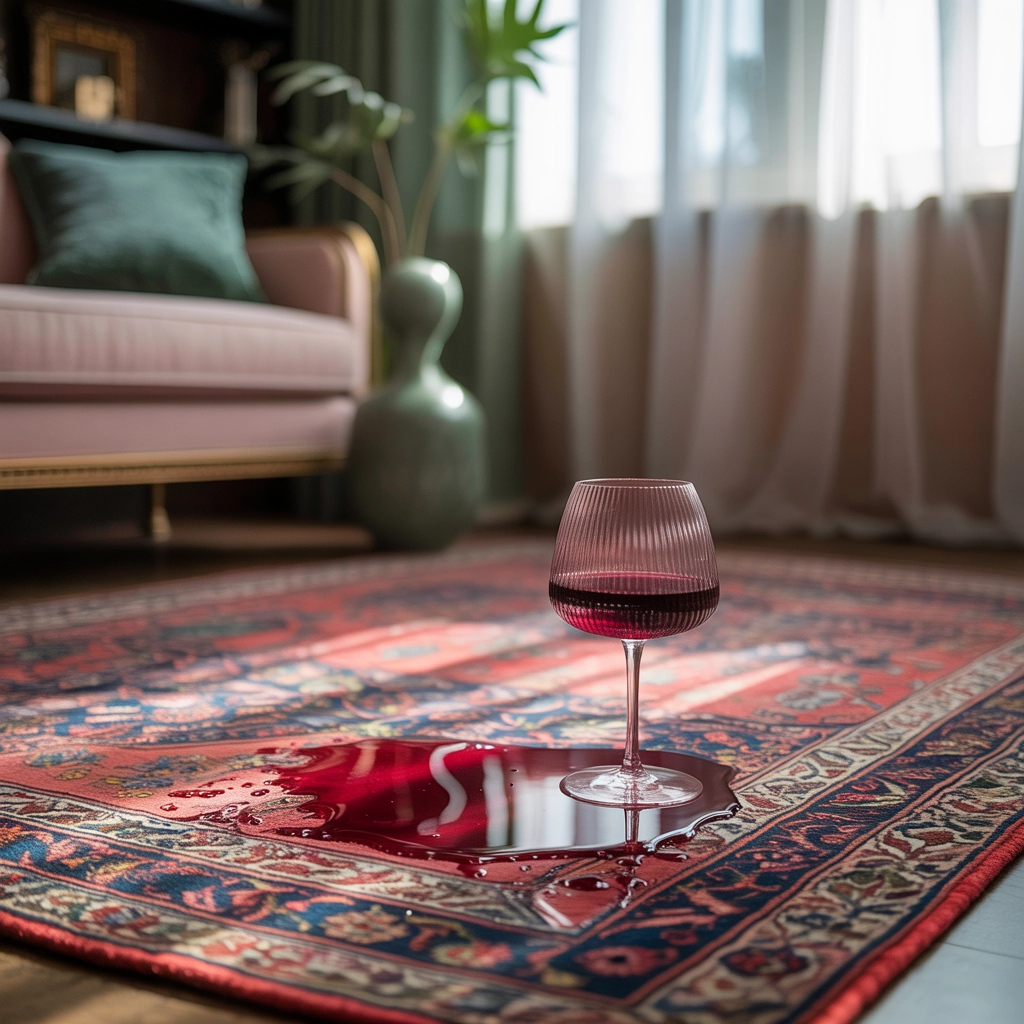
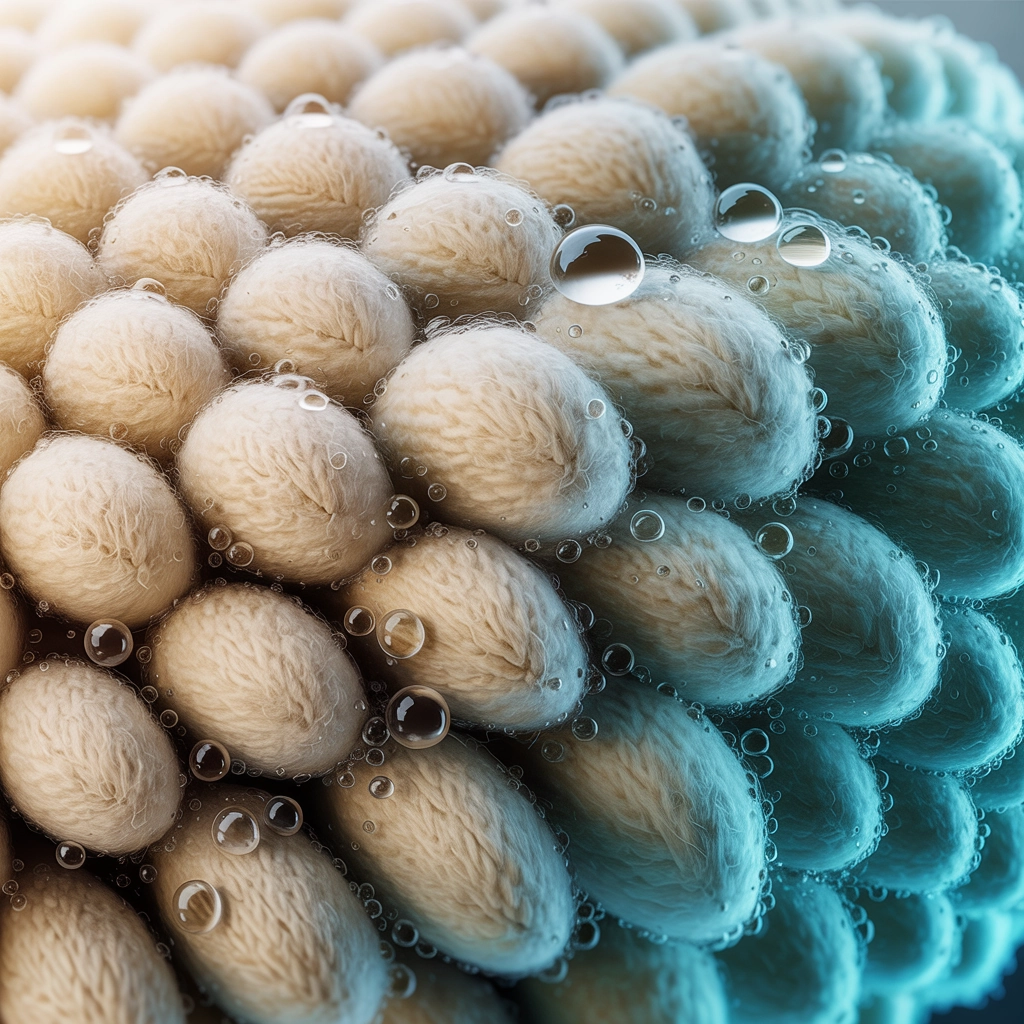
- Liquid repellency: Water, wine, coffee and other beverages bead up for easy blotting
- Oil resistance: Cooking oils, body oils, and other lipid-based substances resist absorption
- Anti-soiling: Dry particulates remain on the surface rather than binding to fibers
- Microbial inhibition: Resistance to mold, mildew, and bacterial growth
- UV stabilization: Some formulations include UV inhibitors to reduce fading
- Anti-static properties: Reduction in static buildup that attracts dust and particulates
This multi-dimensional protection addresses the full spectrum of threats to luxury textiles, providing comprehensive care without compromising textile integrity.
The Investment Perspective
For collectors and investors in high-value textiles, modern invisible protection represents a significant opportunity to preserve asset value. Museum-quality textiles protected with these technologies maintain their condition and value much more effectively than unprotected pieces.
Consider the economics:
- A handmade silk Persian rug valued at $30,000 might lose 20-30% of its value from even minor staining or wear
- Vintage upholstery fabrics on collectible furniture often cannot be replaced if damaged
- Historical textiles with cultural significance require preservation without alteration
Modern invisible protection makes it possible to maintain both the aesthetic enjoyment and financial value of these investment-grade textiles without compromise.
Conclusion: The Invisible Difference
The transition from traditional textile protectors to modern invisible, odorless solutions represents more than a technical advancement—it reflects a fundamental shift in our relationship with luxury textiles. No longer must we choose between protection and authentic experience.
This invisible revolution allows us to live with and enjoy our finest textiles without fear or compromise. Wines can be poured, pets can be welcomed, and natural light can be embraced without risking the textiles that define our interior spaces.
At Pure Tech Protect, we’ve embraced this philosophy of invisible, sensory-preserving protection across our entire product range. We believe that true luxury lies not just in the quality of materials but in the freedom to enjoy them without constraint.
The next time you run your hand across a fine wool rug or silk upholstery, consider that the most sophisticated protection is the kind you’ll never see, feel, or smell—protection that exists not as a barrier between you and your textiles, but as an invisible guardian of their inherent beauty and value.
To learn more about our invisible protection solutions for your fine textiles, visit our services page or explore our specialized protection products.