Why PFAS-Free Textile Protection Is the Future: What Designers & Homeowners Need to Know
The Hidden Challenge in Fabric Protection
For decades, we’ve relied on chemical treatments to protect our valuable textiles from stains, water damage, and everyday wear. What most consumers don’t realize is that many conventional fabric protectors contain a class of chemicals called PFAS (per- and polyfluoroalkyl substances), often referred to as “forever chemicals” because they don’t break down in the environment—or in our bodies.
As interior designers and homeowners increasingly prioritize sustainability and health, the move toward PFAS-free textile protection isn’t just a trend—it’s becoming an essential shift in how we think about caring for our homes and furnishings.
What Are PFAS and Why Should You Care?
PFAS compounds have been used since the 1950s in everything from non-stick cookware to water-repellent clothing and stain-resistant carpets and upholstery. Their remarkable ability to repel both water and oil made them seem like miracle chemicals for textile protection.
But here’s the catch: these chemicals are extremely persistent. They don’t break down naturally, accumulating in our environment, water supply, and even our bloodstreams. Research has increasingly linked PFAS exposure to serious health concerns, creating a growing urgency to find alternatives.
The Health Risks That Can’t Be Ignored
The scientific evidence against PFAS has been mounting for years, with research linking these chemicals to:
- Immune system suppression
- Hormonal disruptions
- Fertility problems
- Liver damage
- Increased risk of certain cancers
- Developmental issues in children
What makes this particularly concerning for interior designers and homeowners is that PFAS can be released into your home environment through normal use and wear of treated textiles. Every time you sit on that treated sofa or walk across that protected carpet, microscopic particles may be released into the air you breathe.
Environmental Impact: Beyond Your Four Walls
The environmental consequences of PFAS extend far beyond individual homes. These chemicals:
- Persist indefinitely in the environment
- Contaminate drinking water supplies
- Accumulate in soil and groundwater
- Affect wildlife and ecosystems
- Create pollution that’s extremely difficult and expensive to clean up
When PFAS-treated fabrics are eventually discarded, they continue to leach these chemicals into landfills and the surrounding environment, creating a legacy of contamination that will outlive us all.
The Regulatory Landscape Is Changing—Fast
Government agencies worldwide are taking notice and taking action. The regulatory environment around PFAS is rapidly evolving:
- The EPA has proposed designating certain PFAS as hazardous substances
- Several states have banned PFAS in specific consumer products
- The European Union is moving toward comprehensive restrictions
- Major retailers are establishing policies to phase out PFAS-containing products
For designers and manufacturers, staying ahead of these regulatory changes isn’t just responsible—it’s good business. Clients increasingly expect sustainable, health-conscious options, and regulations will only get stricter.
The Innovation Revolution: Better Alternatives Are Here
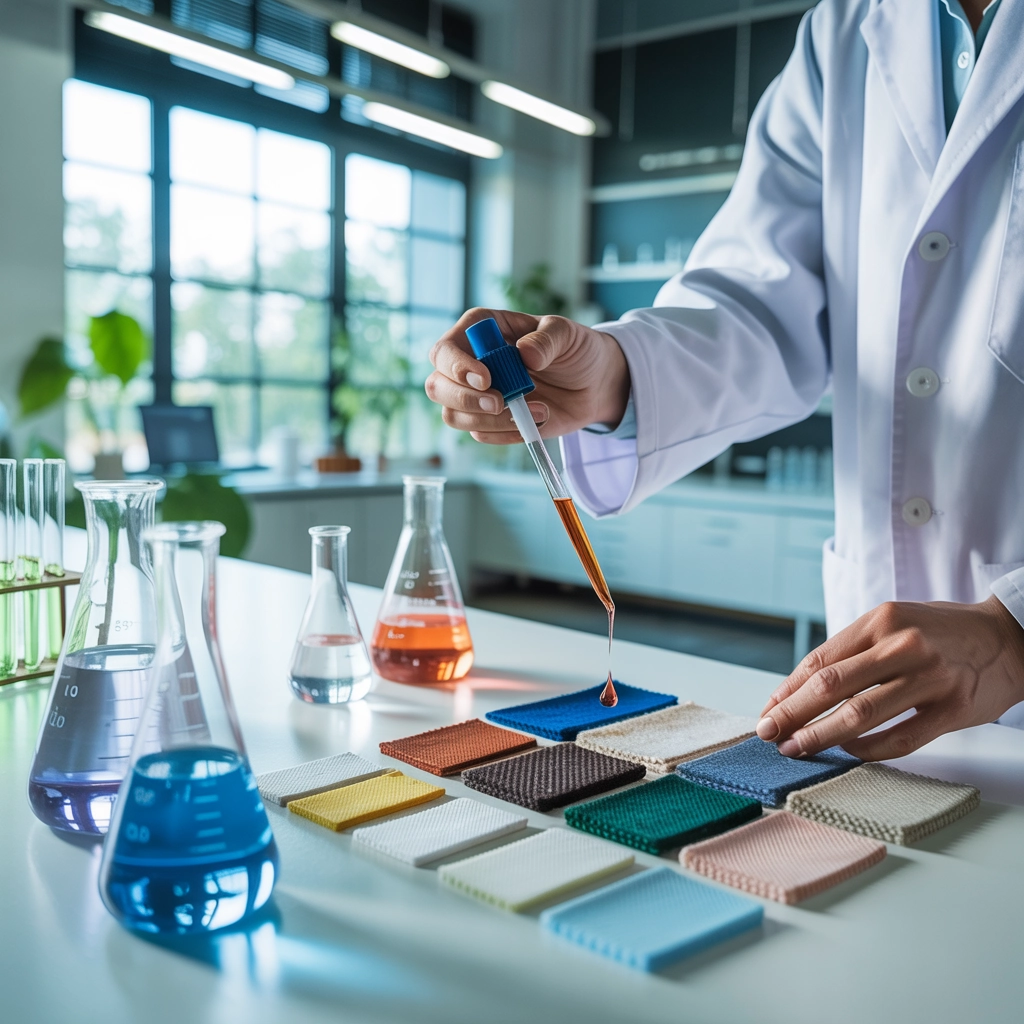
The good news? The textile protection industry has been innovating rapidly, and today’s PFAS-free alternatives offer impressive performance without the concerning health and environmental baggage.
At Pure Tech Protect, we’ve been at the forefront of this revolution, developing sophisticated solutions that harness the power of:
- Advanced water-based formulations
- Nanotechnology that creates microscopic protective barriers
- Biodegradable compounds that offer excellent stain resistance
- Silicone-based alternatives that repel liquids effectively
These next-generation protectants can deliver the performance consumers expect while aligning with values around health and sustainability.
What Designers Need to Know About the Transition
Interior designers play a crucial role in the shift toward healthier homes. Here’s what professionals should know:
Client education is key: Many clients don’t know about PFAS risks. Position yourself as a knowledgeable resource on healthier alternatives.
Performance questions: Be prepared to address concerns about whether PFAS-free protectants work as well. (Spoiler: the best ones do!)
Documentation matters: Request and maintain documentation on the products you specify, including verification of PFAS-free claims.
Supplier relationships: Build relationships with suppliers who are transparent about their formulations and committed to healthier chemistry.
Maintenance protocols: Understand how PFAS-free protectants may require different cleaning and maintenance approaches.
By proactively addressing these considerations, designers can smoothly transition their practices while providing added value to clients who increasingly care about health-conscious design.
Homeowner’s Guide: Making the Switch to PFAS-Free Protection
If you’re a homeowner looking to make healthier choices for your home, here’s a practical roadmap:
For Existing Furnishings:
- Have professional-grade PFAS-free protectants applied to your current upholstery, rugs, and carpets
- Increase vacuuming frequency with HEPA-filtered vacuums to reduce any existing PFAS dust
- Consider professional deep cleaning that can help remove some surface PFAS
For New Purchases:
- Ask specifically about PFAS-free options when shopping for furniture and carpeting
- Request written verification that items are PFAS-free
- Consider natural fibers that may require less chemical treatment
- Invest in professional application of PFAS-free protectants immediately after purchase
For Ongoing Maintenance:
- Use only PFAS-free cleaning products on your textiles
- Follow manufacturer instructions for maintaining stain resistance
- Schedule regular professional treatments to maintain protection
The Performance Question: Do PFAS-Free Alternatives Really Work?
This is perhaps the most common question we hear at Pure Tech Protect: Can PFAS-free protectants really perform as well as traditional treatments?
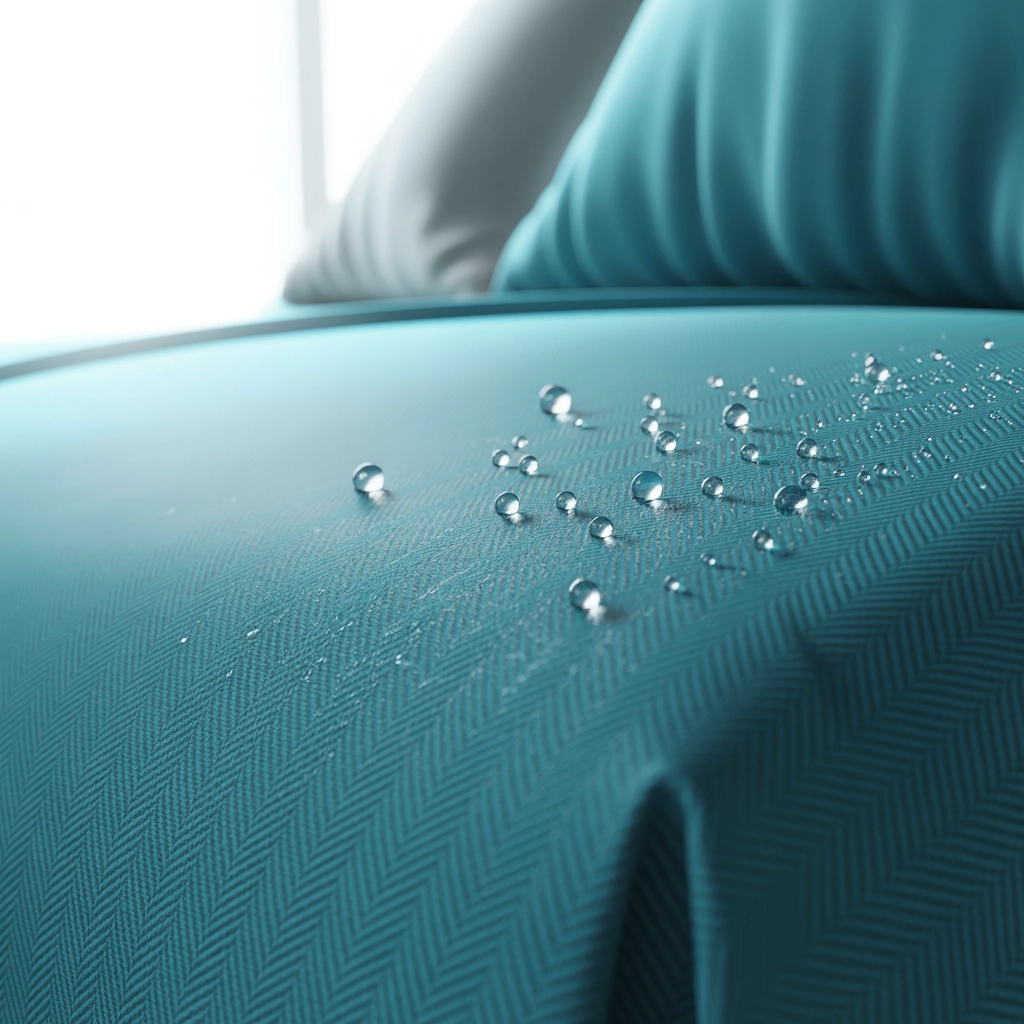
The answer is yes—with some important nuances. Today’s best PFAS-free technologies offer:
- Excellent water and liquid repellency
- Strong resistance to water-based stains
- Good resistance to oil-based stains
- Maintenance of fabric breathability
- Durability through regular use
Where some differences may be noticed:
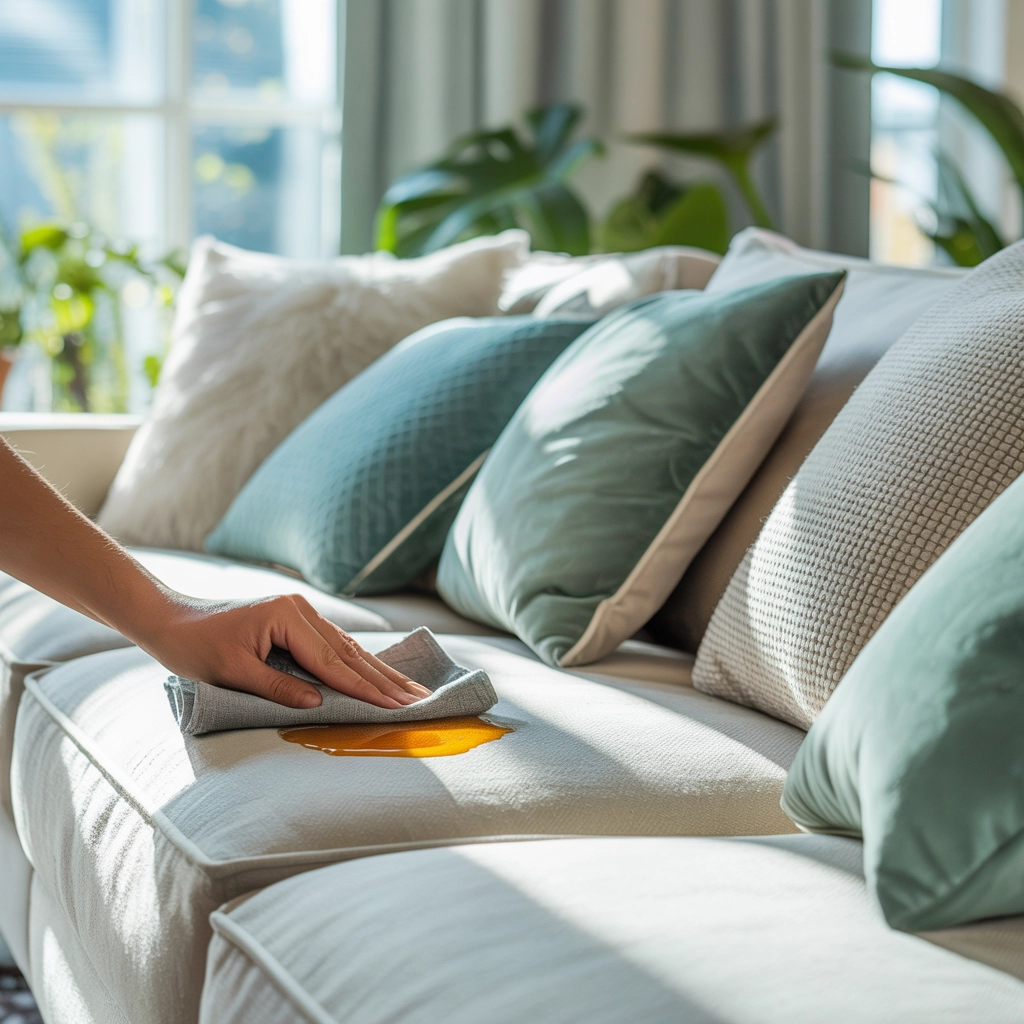
- Some solutions may require slightly more prompt attention to spills
- Reapplication intervals might be somewhat shorter
- Oil-based stain resistance, while good, may not match the extreme performance of PFAS
For most residential applications, these differences are minimal compared to the significant health and environmental benefits. Many of our clients report they can’t tell the difference in day-to-day performance.
The Cost Consideration
Switching to healthier alternatives does sometimes come with a modest price premium, but this gap is narrowing as:
- Production scales up and technologies mature
- PFAS regulations increase costs for traditional treatments
- Consumer demand drives competition in the PFAS-free market
When considering cost, it’s also important to factor in the potential long-term costs of PFAS exposure—both to human health and to our environment. More and more homeowners are deciding that the modest investment in healthier protection is well worth it.
Beyond Stain Protection: The Bigger Picture
The movement away from PFAS represents something bigger than just textile protection—it’s part of a broader shift toward more thoughtful, health-conscious living environments. This aligns with other healthy home trends like:
- Low-VOC paints and finishes
- Formaldehyde-free furniture
- Indoor air quality monitoring
- Sustainable, responsibly sourced materials
Interior designers who position themselves at the forefront of this movement aren’t just offering a service—they’re providing peace of mind and alignment with values that more and more clients prioritize.
Take the Next Step
Ready to make the switch to PFAS-free textile protection? At Pure Tech Protect, we offer state-of-the-art solutions that deliver exceptional performance without compromising your health or the environment.
Whether you’re a designer looking to specify healthier options for clients or a homeowner wanting to protect your investment in beautiful textiles, we invite you to learn more about our innovative approaches to textile care. Contact us to discuss your specific needs or to get a free estimate on our professional protection services.
The future of textile protection is here—PFAS-free, effective, and aligned with the values of health-conscious consumers. It’s a future we’re proud to be creating, one protected fabric at a time.